
You’ve mopped the floors. Wiped down the counters. Vacuumed every room. The house is clean.
Yet somehow, it still feels… tired.
Many homeowners wonder why their house looks worn even when clean. It’s a frustrating gap. You’re putting in the work, but the space doesn’t feel fresh. It doesn’t look bright. It just looks old.
Here’s the truth: clean and fresh are not the same thing.
Cleaning removes dirt. But it doesn’t reverse wear. It doesn’t restore faded paint or buff out scratches. It doesn’t fix the small issues that quietly age a home.
This guide breaks down the real reasons your home might look worn even when it’s clean and what you can do about them.
If your home feels “clean but tired,” here’s what’s likely going on.
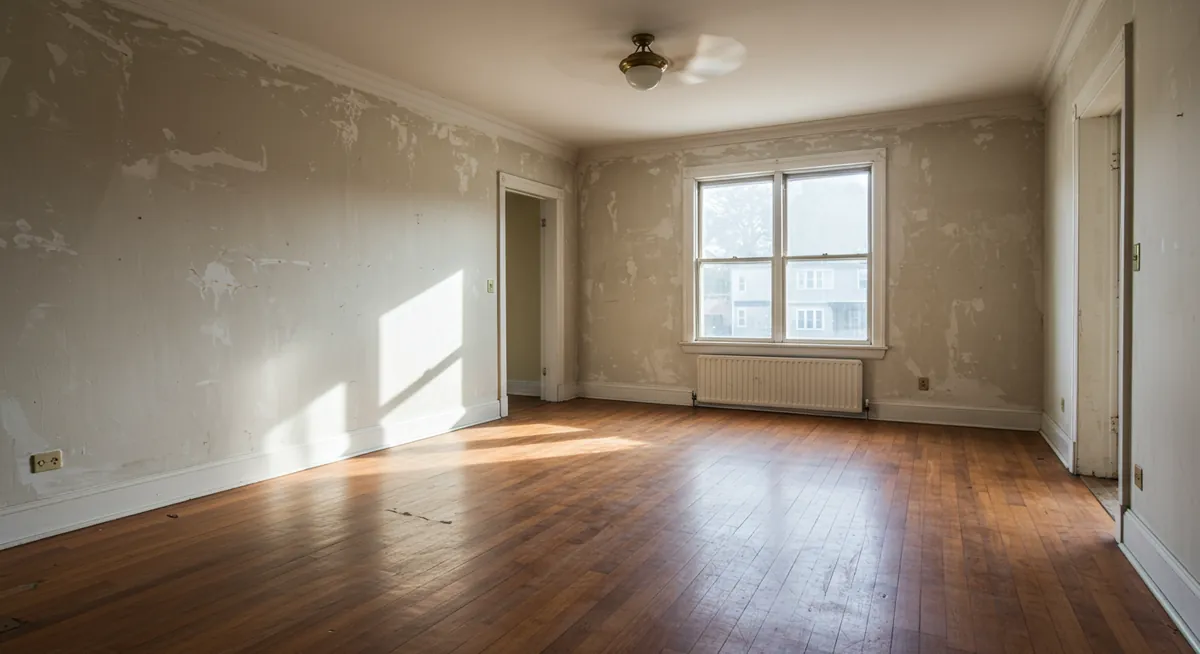
Surface Clean ≠ Surface Restored
Cleaning is upkeep. It removes surface dirt. But it doesn’t undo damage.
Mopping won’t restore shine to dull floors. Wiping walls won’t erase scuff marks. Scrubbing cabinets won’t fix chipped paint.
There’s a gap between:
- Upkeep (keeping things clean)
- Aging (wear that builds over time)
When your house looks worn even when clean, you’re often seeing the second one. The dirt is gone, but the damage remains.
Small Wear Adds Up
Every day, your home takes small hits.
Feet shuffle across floors. Hands brush against walls. Cabinet doors swing open and closed. Chairs scrape. Bags bump against corners.
Each touch is minor. But over months and years, they add up:
- Floors lose their shine
- Cabinet edges wear down
- Door handles lose color
- Baseboards get scuffed
None of these are “dirty.” They’re just worn. And they make a space feel aged even when it’s spotless.
Walls Show Age Faster Than Most People Think
Scuff Marks at Eye Level
Walls take more abuse than you’d think.
High-traffic areas such as hallways, stairs, and behind dining chairs are prone to scuffing quickly. Even light contact leaves marks. And because they’re at eye level, they’re hard to miss.
A clean wall with scuffs still reads as worn.
Fading Paint from Light
Sunlight is harsh.
Rooms with lots of sun, especially near windows, get uneven paint fading. The color dulls. The finish loses life. Over time, the gap between sun-exposed and shaded areas becomes clear.
It’s not dirt. It’s UV damage. And it makes the room feel older.
Patchy Touch-Up Paint
Spot touch-ups seem like a smart fix. But they often backfire.
Touch-up paint can create:
- Shine differences (flat vs. satin)
- Slight color changes (paint ages differently than what’s in the can)
The result? Patchy walls that look worse than before.
Easy Fixes:
- Use a magic eraser for minor scuffs (test first)
- Repaint full walls instead of patching when you can
- Choose satin or eggshell paint; it’s easier to clean than flat
Baseboards should be repainted every couple of years due to daily wear. Fresh paint takes literal years off a room’s look.
Flooring Is the Largest Visual Surface in the Home
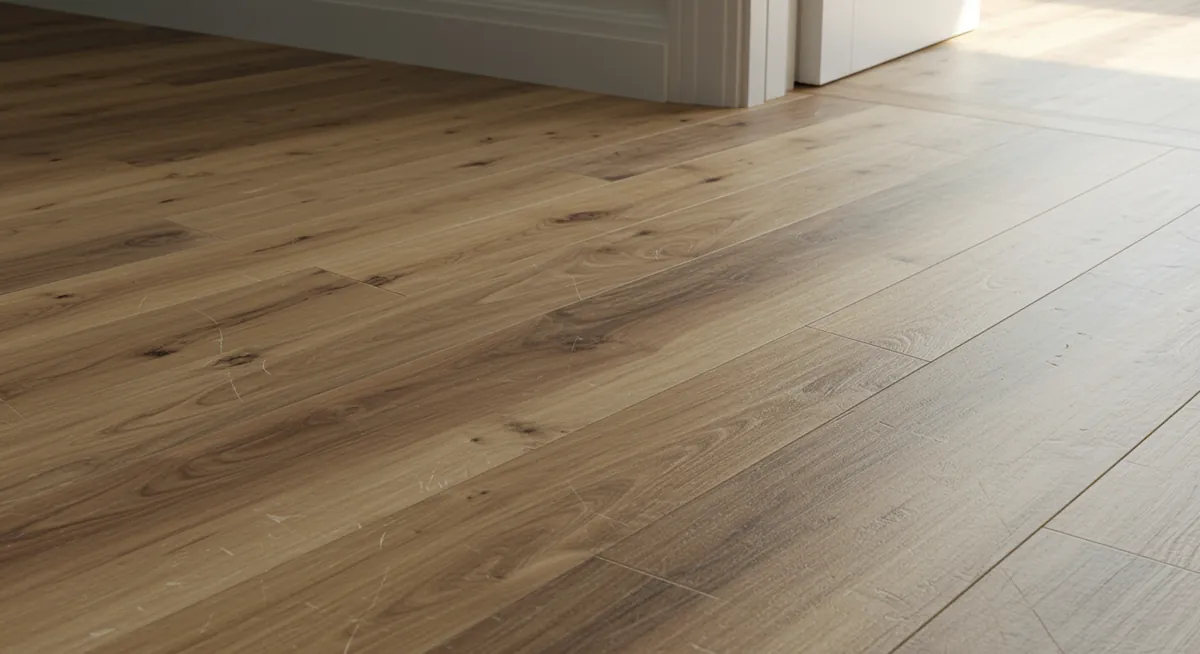
Scratches and Traffic Patterns
Floors take the most beating.
Hardwood gets dull areas where foot traffic is heaviest. Carpet shows path wear. Laminate edges lift or chip.
High traffic equals visual aging. And no amount of mopping will erase it.
Built-Up Film That Regular Mopping Misses
Sometimes floors look dull because of what’s on them, not what’s missing.
Soap film, wrong cleaners, or too much polish can leave floors looking cloudy. The film builds up slowly. You’re cleaning, but you’re also layering product over product.
The floor is clean. But it looks worn.
Grout Stains
Tile can be spotless, but if the grout is dark or stained, the whole floor looks aged.
Grout soaks up moisture, dirt, and cleaning products over time. Even after scrubbing, aged grout stays dull.
Easy Fixes:
- Use a grout cleaner (equal parts vinegar and water)
- For tough stains, make a paste with baking soda and water
- Avoid too much soap when mopping
When Floors Need More Than Routine Mopping
Over time, built-up film and grime can make floors look dull, even when they’re clean.
A professional deep cleaning service can remove layered film from floors and restore brightness that regular cleaning may not reach.
Think of it as a reset, especially useful each season or after heavy use.
Lighting Changes How “Worn” a Home Feels
Yellowing Bulbs
Old bulbs cast a yellow, dingy light.
This makes:
- Paint look dull
- Fabrics look dated
- The whole space feel tired
Even a clean room feels worn under bad lighting.
Mixed Color Temperatures
Mixing bulb types creates visual chaos.
If you’re using the following, your home will feel off. And oddly enough, aged:
- Warm bulbs in one room
- Cool bulbs in another
- Daylight bulbs in a third
Being consistent matters. A lot.
Dirty or Fogged Light Fixtures
Dust-dimmed fixtures cut brightness by a lot.
When fixtures are dirty, less light reaches the room. The space feels darker, duller, and older — even when it’s clean.
Easy Fixes:
- Switch to consistent 3000–4000K bulbs throughout the home
- Clean glass shades monthly
- Add layered lighting (floor lamps, under-cabinet lights)
Bright, consistent lighting makes a home feel instantly fresher.
Visual Clutter Makes Clean Homes Feel Worn
Too Many Small Objects
You can have a spotless home and still feel stressed.
Too much décor, crowded shelves, and loaded counters create visual fatigue. Even when clean, the space feels chaotic.
Research shows clutter causes high levels of stress and anxiety. And visually, it makes a home look older.
Cables and Exposed Wires
Visible cords create hidden disorder.
They break up clean lines. They draw the eye. They make a space feel cluttered, even when everything else is tidy.
Mismatched Storage
Worn baskets. Faded bins. Overstuffed shelves.
These aren’t dirty. But they’re visually tired. And they add to that “worn” feeling.
Easy Fixes:
- Cut visible objects by 30%
- Use matching storage styles (matching bins, uniform baskets)
- Hide cords (cable clips, cord covers)
When your storage works, your home feels lighter. And oddly enough, cleaning takes half the effort.
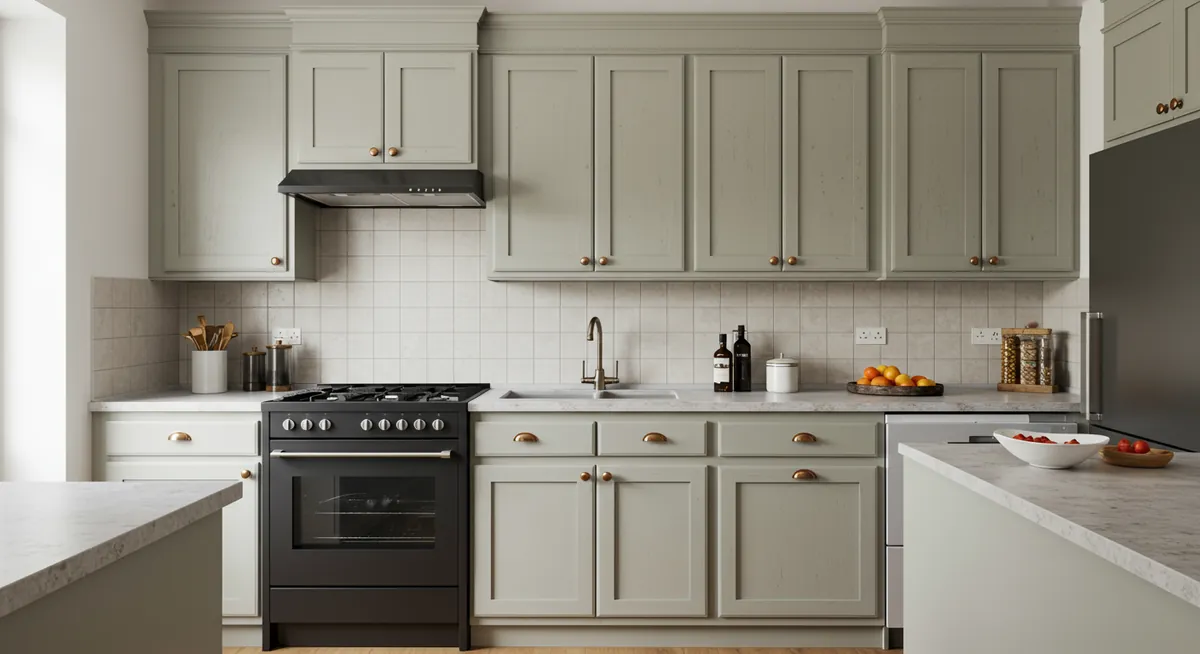
Kitchens Show Wear Even When Sanitized
Cabinet Edge Breakdown
Kitchen cabinets take constant contact.
Paint chips on:
- Corners
- Near handles
- Along the bottom edges
These small flaws add up. A clean kitchen can still look worn if the cabinets are visibly damaged.
Grease Film on Upper Cabinets
Even thin grease layers dull cabinet finish.
Cooking creates airborne grease. It settles on upper cabinets, creating a haze that regular wiping doesn’t fully remove.
The cabinets are clean. But they look aged.
Worn Caulking Around Sink
Stained or cracked caulk reads as “old” right away.
Over years of temperature changes, houses expand and contract. Caulk flakes off or shrinks. Fresh caulk takes about 5 minutes but can take years off the look.
When Buildup Is Making Surfaces Look Older
Over time, grease, film, and grime can create a visual haze on cabinets and backsplashes.
Targeted kitchen cleaning services can help restore cabinet surfaces and remove film that adds to a worn look.
Not a replacement for regular cleaning. Just a periodic reset.
Easy Fixes:
- Use Zep wall cleaner for cabinets (noted as great for surfaces without damaging finish)
- Re-caulk sinks and backsplashes yearly
- Degrease upper cabinets each season
Bathrooms Can Look Old Because of Moisture Damage
Grout Darkening
Even after scrubbing, aged grout stays dull.
Moisture seeps in. Mildew stains. And no amount of surface cleaning will restore it.
Mirror Desilvering
Black edge spots create instant aging.
Moisture gets behind the mirror. The silvering breaks down. The result? A mirror that looks worn, even in an otherwise clean bathroom.
Exhaust Fan Dust and Vent Stains
Subtle but noticeable.
Bathroom vents build up dust and moisture stains. They’re easy to overlook, but they add to that “tired” feeling.
Easy Fixes:
- Use a baking soda paste for tough grout stains
- Replace mirrors showing desilvering
- Vacuum exhaust fans every three months
Periodic detailed cleaning through a bathroom cleaning service can prevent film and moisture stains from speeding up visible aging.
Hardware and Small Details Quietly Date a Home
Tarnished Handles
Brass darkens. Nickel spots. Oil builds up.
Even clean hardware can look worn if it’s tarnished or discolored.
Worn Switch Plates
Cheap plastic plates lose color quickly.
They yellow. They crack. They collect fingerprints. And because they’re in every room, they have a big visual impact.
Door Hinges and Trim
Yellowed paint or chipped edges age a space.
These are small details. But they’re everywhere. And together, they make a home feel worn.
Easy Fixes:
- Replace handles affordably (hardware stores carry budget-friendly options)
- Swap out old switch plates
- Quick trim repaint (high impact, low cost)
Small updates create big change.
Soft Surfaces Absorb Age
Flattened Couch Cushions
Even vacuumed upholstery looks tired when compressed.
Cushions lose their shape. Fabric pills. The couch is clean, but it doesn’t look fresh.
Faded Curtains
Sun bleaching creates uneven tones.
Curtains near windows fade faster than the rest. The result? A patchy, aged look.
Carpet Fiber Crush
Vacuuming cannot restore pile height.
High-traffic areas get permanent flattening. The carpet is clean, but it looks worn.
Easy Fixes:
- Rotate cushions regularly
- Steam clean yearly
- Replace outdated textiles strategically
Soft surfaces have a bigger visual impact than most people think.
When It’s Not Wear — It’s Mixed Style
Trend Overload
Too many eras mixing creates visual confusion.
Farmhouse. Modern. Traditional. When they compete in the same space, the home feels off — and oddly, aged.
Outdated Color Combinations
Even clean rooms can feel dated by color alone.
Certain palettes scream “decade.” And no amount of cleaning will fix that.
Easy Fixes:
- Neutralize large surfaces (walls, floors)
- Update with low-cost accent pieces
- Simplify palette (fewer colors, more cohesion)
Sometimes the issue isn’t cleanliness. It’s just visual noise.
A Simple Checklist to Make a Clean Home Look Fresh
Monthly
- Wipe baseboards
- Clean light fixtures
- Check caulk around sinks and tubs
Quarterly
- Touch up trim paint
- Rotate textiles (cushions, throws)
- Deep clean floors
Yearly
- Repaint high-traffic walls
- Replace worn hardware
- Check lighting temperature consistency
This makes upkeep easy. And it stops small issues from piling up.

Conclusion
If your house looks worn even when clean, the cause is usually:
- Surface wear
- Lighting issues
- Dull finishes
- Minor aging
- Visual clutter
- Built-up film
It’s rarely about hygiene.
Clean is upkeep. Fresh is intentional care.
Most homes don’t actually lack cleanliness. They just lack a system for fixing the small issues that build up over time.
Small changes create big change. A fresh coat of paint on baseboards. Consistent lighting. Clear surfaces. New caulk around the sink.
These take little time. But they make a home feel lighter, brighter, and newer.
When your home works visually, cleaning becomes easier. And the space finally matches the effort you’re putting in.


