
You spray. You wipe. And somehow your windows look worse than before you started. Streaks, smears, and a hazy film that catches every ray of sunlight. Learning how to clean windows without streaks isn’t about buying expensive products. It’s about understanding why streaking happens and using the right technique to stop it.
Most streaking comes down to three things. You’re cleaning in direct sun, using too much product, or wiping with the wrong cloth. Fix those, and your windows stay clear.

The biggest culprit is timing. When you clean windows in direct sunlight or warm conditions, the cleaning solution evaporates before you can wipe it off. That leaves dried residue on the glass. It shows up as streaks and haze that catch the light at every angle.
Too much product causes the second most common problem. A few drops of cleaner go a long way on glass. Excess solution doesn’t evaporate or absorb. It sits on the surface and dries into a film. That film is what you’re seeing when the window looks cloudy after cleaning.
Your cloth matters more than you think. Paper towels leave lint. Old rags smear dirt around instead of lifting it. A dirty cloth just redistributes grime across the glass. You’re not cleaning at that point. You’re rearranging the mess.
Hard water adds another layer of difficulty. Tap water contains minerals. When water evaporates, those minerals stay behind. They show up as white haze or spots on the glass. Using distilled water in your cleaning solution eliminates that variable entirely.
The Right Tools for Streak-Free Windows
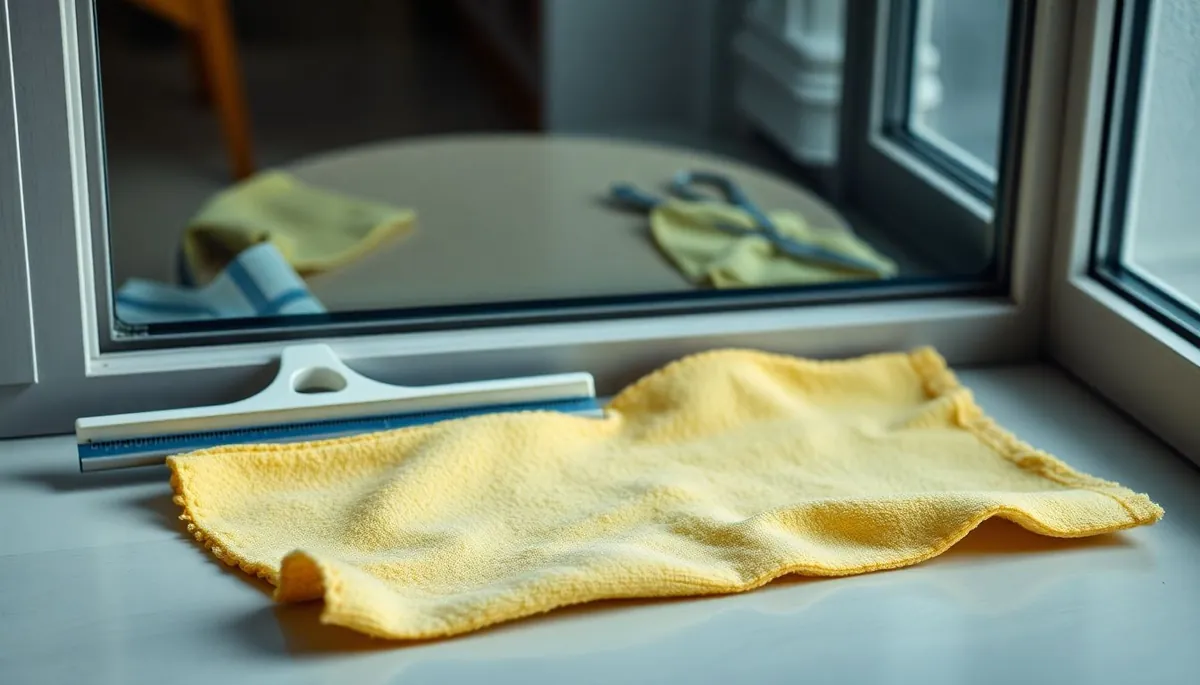
Microfiber cloths beat paper towels every time. They absorb without leaving lint behind. Paper towels might seem convenient, but they shed fibers that stick to glass. Those fibers catch light and look like streaks. Microfiber is washable and reusable. One good set lasts for years.
A squeegee works best on larger windows. It removes water in one clean pass. No buffing required. No cloth marks. The squeegee method gives you consistent results on picture windows and sliding glass doors. Small panes don’t need it. A cloth works fine there.
The two-cloth method is simple and effective. One damp cloth applies the cleaner and removes dirt. One dry cloth buffs the glass immediately before anything dries. Speed matters here. The dry cloth prevents streaking by removing moisture before it evaporates on its own.
Your cleaning solution doesn’t need to be complicated. A few drops of dish soap in warm water works. White vinegar diluted in distilled water works. Commercial glass cleaning solution works. The product matters less than the amount. Use just enough to clean. More is not better.
The Correct Technique, Step by Step
Start dry. Remove loose dust and debris with a dry cloth or soft brush before any liquid touches the glass. Wiping dust with a wet cloth creates muddy smears. Those smears are harder to remove than the original dust.
Apply your cleaning solution sparingly. Spray it onto your cloth, not directly onto the window. This keeps excess product from pooling at the edges and running down the frame. A damp cloth is all you need. Dripping wet leaves too much moisture to manage.
For the squeegee method, start at the top corner. Pull the squeegee across in an S-pattern or straight horizontal strokes that overlap slightly. Wipe the blade with a dry cloth after every pass. Water left on the blade transfers back to the glass and causes streaks.
For the cloth technique, wipe in one direction first. Horizontal or vertical, pick one. Then immediately buff with your dry cloth before the surface dries on its own. Circular motions create haze because you’re just moving moisture around. Directional wiping shows you exactly where you’ve been.
Dry the edges and frame right away. Water pools at the bottom edge and in the corners. When it runs back down onto the clean glass, it leaves watermarks. A quick wipe along the frame prevents that.
Inside Versus Outside Windows: Why They Need Different Approaches
Outside windows get hit with everything nature throws at them. Pollen, pollution, bird droppings, and oxidized dirt build up over time. These deposits need more cleaning solution and more pressure than interior glass. You’re not just removing dust. You’re breaking down layers of environmental grime.
Inside windows collect different dirt. Fingerprints, dust, and cooking vapor leave their mark. Kitchen windows especially get coated with grease-based deposits. Plain water won’t cut through grease. You need a degreasing agent. A small amount of dish soap does the job.
Here’s a useful trick for identifying which side has the streak. Wipe horizontal strokes on the outside. Wipe vertical strokes on the inside. Any remaining streak immediately tells you which side needs attention based on its direction. No more guessing and recleaning both sides.
Clean your screens before you clean the windows. A dirty screen pressed against freshly cleaned glass transfers dirt right back. You end up recleaning the same window twice. Remove the screen, rinse it, let it dry completely, then clean the glass.
You might notice how a home can look worn even when it has been cleaned often comes down to details like streaked windows. Clean glass makes a bigger visual difference than most people realize.
Timing and Conditions That Affect the Result
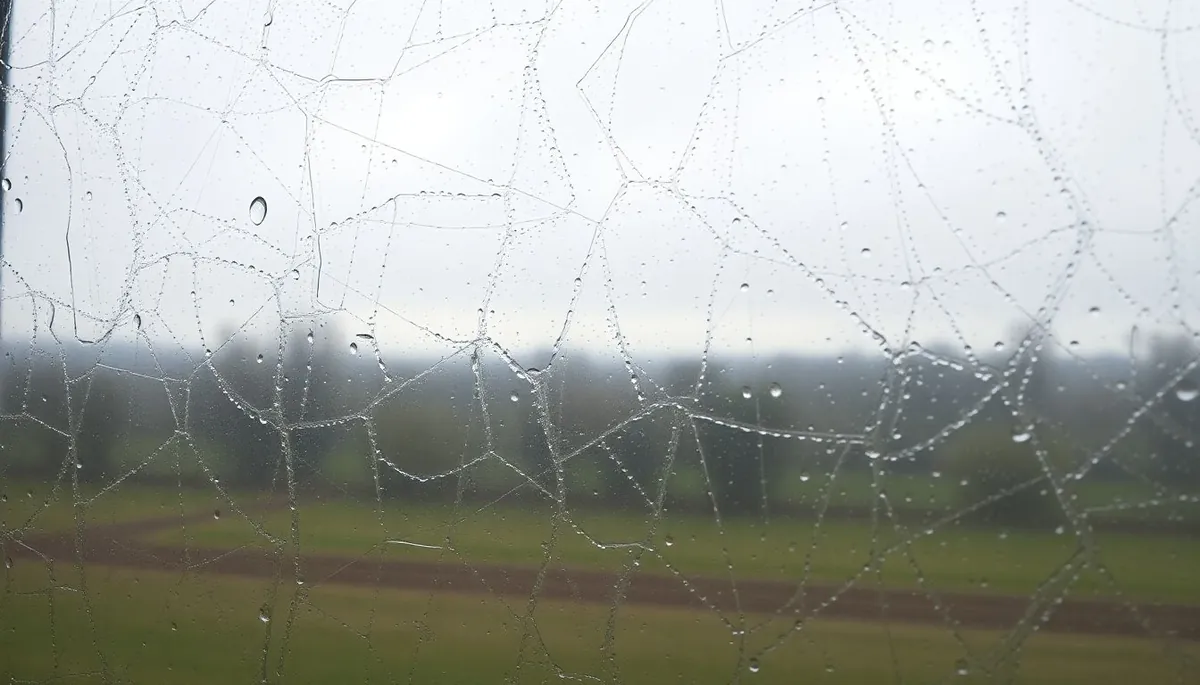
Never clean windows in direct sunlight. The glass heats up. Your cleaning solution evaporates in seconds. You can’t wipe fast enough to prevent residue from drying on the surface. Hot days create the same problem even without direct sun.
Overcast days give you the best results. The glass stays cool. The solution stays workable. You have time to clean and buff before anything dries. Early morning and evening work if you can’t wait for clouds. The glass is cooler then.
Temperature affects more than just drying time. Cold glass can cause some solutions to smear instead of cleaning clearly. The liquid doesn’t spread evenly on very cold surfaces. Room temperature glass is ideal.
How often do windows actually need to be cleaned? Interior windows get dusty and smudged every one to two months in most homes. Exterior windows depend heavily on where you live. Trees nearby mean more pollen and sap. Coastal areas deal with salt spray. Busy roads add pollution. Twice a year is a good baseline. Adjust based on what you see.
Some people prefer professional window cleaning as part of a recurring home clean. Interior windows cleaned by a professional maintain clarity that’s hard to achieve consistently without the correct tools and technique. It’s one less thing to manage.
The Streak-Free Finish You’re After
You don’t need special products or expensive equipment. You need the right technique and the right timing. Clean on an overcast day. Use minimal product. Wipe with a clean microfiber cloth. Buff immediately before anything dries.
How to clean windows without streaks comes down to controlling three variables: heat, product amount, and cloth quality. Get those right, and your windows stay clear. The light comes through clean. Your home looks sharper. And you’re not stuck recleaning the same glass over and over.
The frustration of streaky windows ends when you understand what causes them. Now you do.


