
Most people vacuum often. They wipe counters. Maybe they mop. But deep cleaning is the thing that quietly gets pushed to “later.”
The question is not whether you should deep clean.
It is how often it needs to happen.
This article will break it down clearly:
- What deep cleaning really means
- How often different homes need it
- What changes the timeline
- How to know you are overdue
No crazy schedules. Just practical tips.
Because here is the truth: your home does not need constant care. But it does need the right kind of care at the right times.
And knowing that difference makes everything easier.
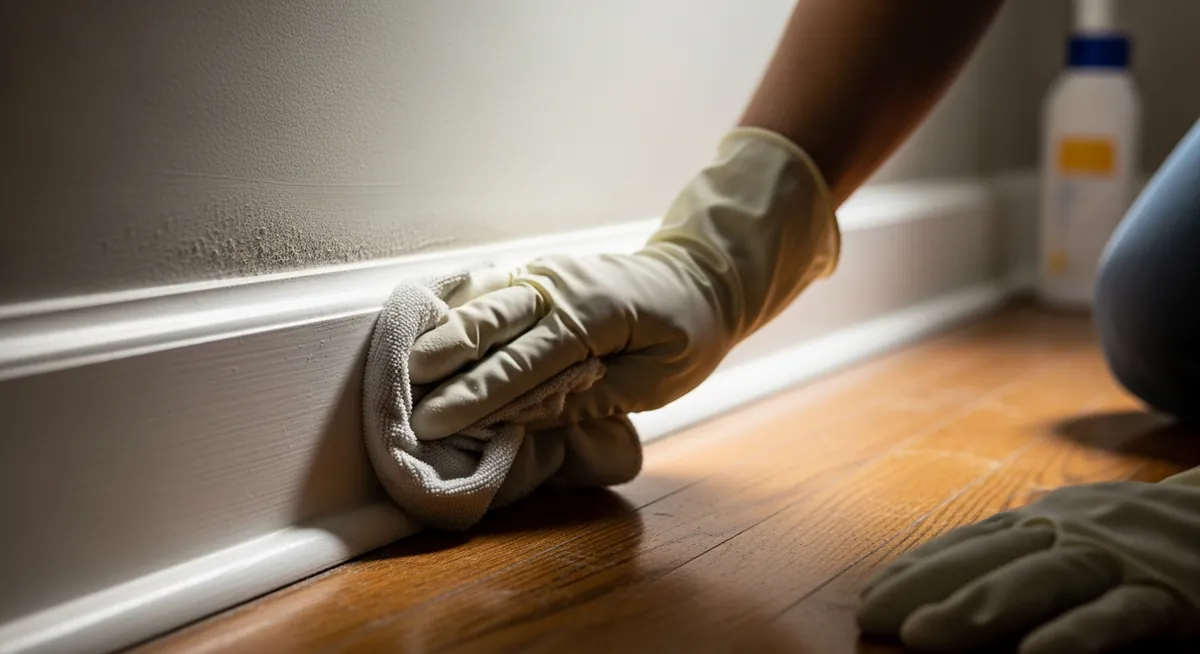
Deep cleaning is not regular tidying.
It includes:
- Scrubbing baseboards
- Cleaning behind appliances
- Washing walls and doors
- Deep scrubbing bathrooms
- Cleaning grout
- Wiping light fixtures and vents
- Removing buildup in overlooked areas
This is where dust, grease, and bacteria quietly build up.
Your weekly routine keeps surfaces clean. But deep cleaning tackles what happens underneath, behind, and around everything else.
Think about the space behind your fridge. Or the top of your ceiling fan. Or the grout lines in your shower.
Those areas do not get touched during regular cleaning. But they still collect grime.
That is what deep cleaning targets.
If you are unsure what counts as a full reset, check out a professional deep cleaning checklist. It can show you what areas are often missed during routine cleaning.
The goal is not perfection. It is being thorough.
The Short Answer: Every 3 to 6 Months for Most Homes

For the average home:
- Every 3 months if you have pets, kids, or high foot traffic
- Every 4–6 months for quieter homes without heavy daily wear
Why this range works:
Dust builds slowly.
Grime builds up invisibly.
By the three-month mark, most homes start to show subtle signs of buildup. By six months, it is usually easy to see.
This timing stops:
- Lingering odors
- Dull-looking floors
- Sticky kitchen surfaces
- Bathroom grime that gets harder to remove
Deep cleaning is easier when done regularly instead of waiting until things feel too much.
Think of it this way: regular deep cleaning keeps your home at a baseline level of clean. When you skip it for too long, you are not just cleaning. You are catching up.
And catching up takes more time, more effort, and more scrubbing.
A quarterly rhythm keeps the work easy. It also keeps your home feeling truly fresh instead of just surface-level tidy.
When You May Need It More Often
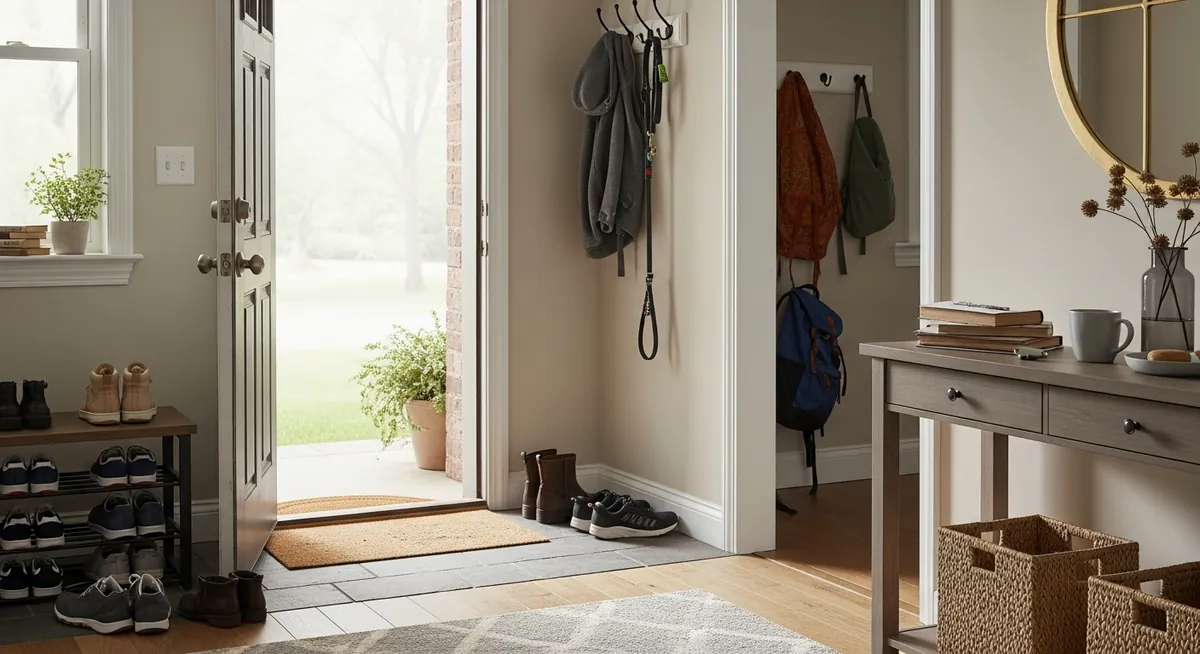
Some homes simply work harder.
You may need deep cleaning every 2–3 months if:
- You have multiple pets
- You live in a dusty climate
- You entertain often
- Someone in the home has allergies
- Shoes are worn inside
High-traffic areas like entryways and kitchens collect more buildup than bedrooms or offices.
Pets shed. Kids track dirt. Guests bring outdoor dust inside. All of that adds up faster than you think.
If someone in your home has allergies, regular deep cleaning becomes even more key. Dust mites, pet dander, and mold thrive in overlooked corners. Deep cleaning reduces those allergens and improves indoor air quality.
Homes in dry or dusty climates also need more frequent care. Dust settles faster. Surfaces feel gritty sooner. And even with regular wiping, buildup happens quickly.
If clutter is piling up alongside dust buildup, it may help to first tackle organization.
The key is noticing patterns.
If you are always wiping the same surfaces and they still feel dirty, your home is telling you something.
Signs You Are Overdue for a Deep Clean
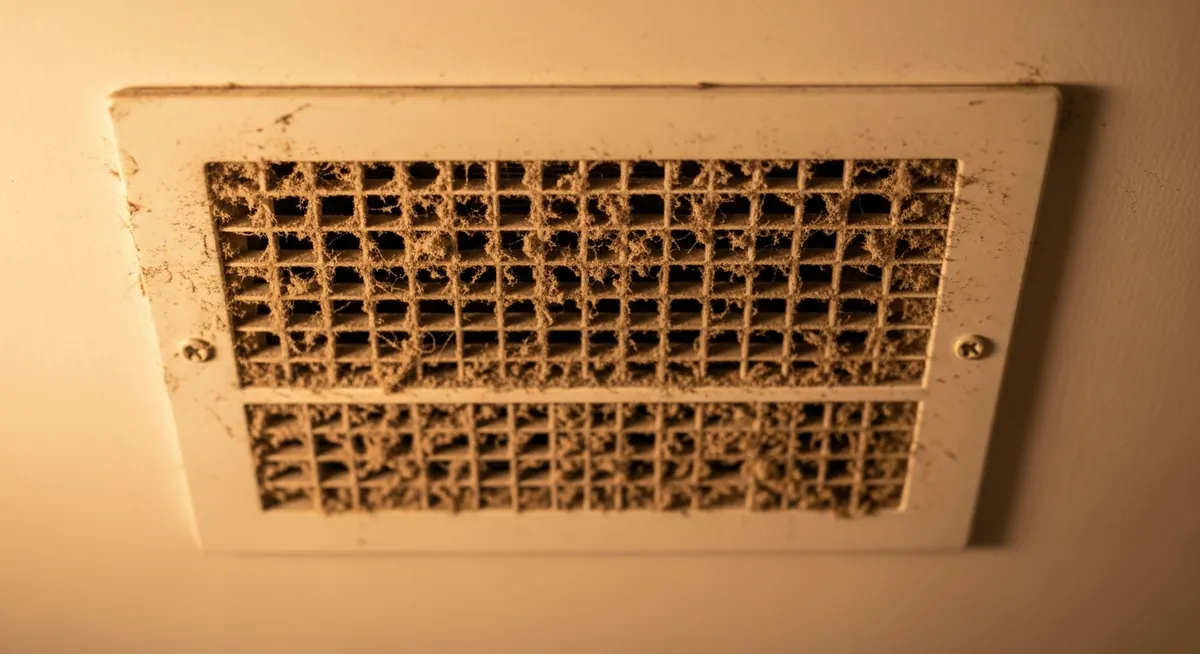
You do not need a calendar reminder to know.
Look for:
- Dust coming back within a day or two
- Sticky cabinet doors
- Bathroom grout darkening
- Lingering smells
- Grease film near the stove
- Dull-looking floors even after mopping
These are not surface-cleaning problems.
They signal deeper buildup.
When regular cleaning no longer makes the space feel truly clean, that is your cue.
You might notice your kitchen smells faintly off even after wiping everything down. Or your bathroom feels humid and stale no matter how often you spray cleaner.
Those are signs that grime has settled into places your routine does not reach.
Another sign: things feel harder to clean.
If you are scrubbing harder and getting fewer results, buildup has likely hardened. Grease becomes sticky. Soap scum thickens. Dust clings instead of wiping away.
Deep cleaning resets everything.
It removes the layers that make regular cleaning feel like it does not work. And once you deep clean, your weekly routine becomes easier again.
How Often Should You Deep Clean Your Bathroom?
Bathrooms need care more often than most rooms.
Every 3 to 4 months is the baseline for most homes.
Why bathrooms need it more:
- Constant moisture encourages mold and mildew
- Soap scum builds up on tiles and glass
- Grout darkens quickly
- Bacteria thrives in damp places
If you have multiple people using the same bathroom, or if airflow is poor, you may need to deep clean every 2 months.
A deep cleaned bathroom includes:
- Scrubbing grout lines
- Removing buildup from faucets and showerheads
- Cleaning behind the toilet
- Washing shower curtains or glass doors
- Wiping down walls and baseboards
Regular weekly cleaning keeps surfaces fresh. But deep cleaning tackles what builds up underneath.
And when your bathroom is deep cleaned regularly, it stays fresher longer. Mold does not take hold. Grout stays lighter. Odors do not linger.
Seasonal Deep Cleaning vs Routine Care
Many people link deep cleaning with spring.
But it does not have to be seasonal.
A practical approach:
- Light care weekly
- Surface resets monthly
- Deep clean every 3–6 months
This rhythm keeps the house from slipping into the “why does everything feel slightly grimy” phase.
Seasonal deep cleaning works if you prefer doing everything at once. Spring and fall are natural reset points. The weather shifts. You open windows. The house gets fresh air.
But breaking it into smaller cycles can feel less heavy.
Instead of tackling the entire house twice a year, you could deep clean room by room every few months. One weekend, focus on the kitchen. A month later, tackle the bathrooms. Then move to bedrooms.
This approach spreads the effort out. It also stops that heavy, tiring feeling that comes with trying to deep clean everything in one day.
If visual overload is part of the problem, simplifying décor and reducing surface clutter can make cleaning feel easier overall.
The goal is not to follow someone else’s schedule.
It is to find a rhythm that works for your home and your life.
What Happens If You Skip Deep Cleaning?
Nothing dramatic happens overnight.
But over time, small problems grow.
Dust builds up in vents and affects air quality. Grease hardens on kitchen surfaces and becomes harder to remove. Mold starts growing in damp corners. Floors lose their shine even after mopping.
Your home does not fall apart. But it starts feeling harder to keep clean.
Regular cleaning stops working well because you are working against layers of buildup instead of keeping a clean baseline.
And when you finally do deep clean after skipping it for too long, the work takes longer. You scrub harder. You use more product. And it feels more tiring than it should.
That is why being consistent matters.
Regular deep cleaning keeps your home at an easy level. It stops the buildup that makes everything harder.
And oddly enough, it makes your weekly cleaning easier too.
When surfaces are truly clean underneath, your regular routine works better. Dust wipes away faster. Floors shine after one pass. Bathrooms stay fresher between cleanings.
How to Make Deep Cleaning Less Hard
Deep cleaning does not have to mean spending an entire weekend scrubbing.
Here is how to make it easy:
Break it into rooms. Deep clean one room at a time instead of tackling the whole house at once.
Set a timer. Work in focused bursts. Even 30 minutes of deep cleaning makes a clear difference.
Focus on high-impact areas first. Kitchens and bathrooms show the most visible improvement.
Use the right tools. A good vacuum with attachments, microfiber cloths, and a quality all-purpose cleaner make the work faster.
Work top to bottom. Dust falls. Start with ceiling fans and light fixtures, then move down to baseboards and floors.
The goal is progress, not perfection.
Even if you only deep clean one room every few weeks, you are still keeping your home better than if you waited until everything felt too much.
And when you stay consistent, each deep clean takes less time because you are not fighting months of buildup.
Conclusion
So how often should you deep clean a house?
For most homes: every 3 to 6 months.
More often if:
- You have pets
- You host often
- You notice lingering buildup
Less often if:
- Traffic is minimal
- Regular cleaning is consistent
Deep cleaning is not about perfection.
It is about resetting your home before grime becomes a bigger problem.
When done on a steady schedule, it takes less effort, feels less heavy, and keeps your home truly fresh instead of just surface-clean.
Your home does not need constant care. But it does need the right kind of care at the right time.
And now you know exactly when that is.


