
You scrubbed the toilet. You wiped the sink. You mopped the floor. You even lit a candle. But that smell still won’t go away.
Sound familiar? You’re not alone. Many homeowners face this puzzle. Their bathroom looks spotless but doesn’t smell fresh.
Here’s the truth: odor doesn’t equal surface dirt. The problem is usually hidden moisture, bacteria, or buildup in spots you miss. Most people clean what they can see. But bathroom smells after cleaning often come from places you can’t see.
The good news? Once you know where to look, the solution becomes clear.
If your bathroom looks clean but doesn’t smell fresh, the source is likely out of sight. Let’s find it.
Odor Often Lives Below the Surface
Think of bacteria like tiny invisible guests. They love to feed on organic waste. This includes:
- Hair bits
- Skin cells
- Soap scum
- Toothpaste buildup
These tiny particles collect in places you can’t see. Bacteria grow there. They create waste products that smell bad.
Cleaning what you can see doesn’t mean the deeper smell is gone. You might wipe down surfaces perfectly. But the real odor source stays hidden.
Moisture Is the Real Problem
Bathrooms create perfect conditions for bacteria growth:
- Warm heat from hot showers
- Closed spaces with poor air flow
- High humidity that stays trapped
These three factors work together. They turn your bathroom into a bacteria paradise.
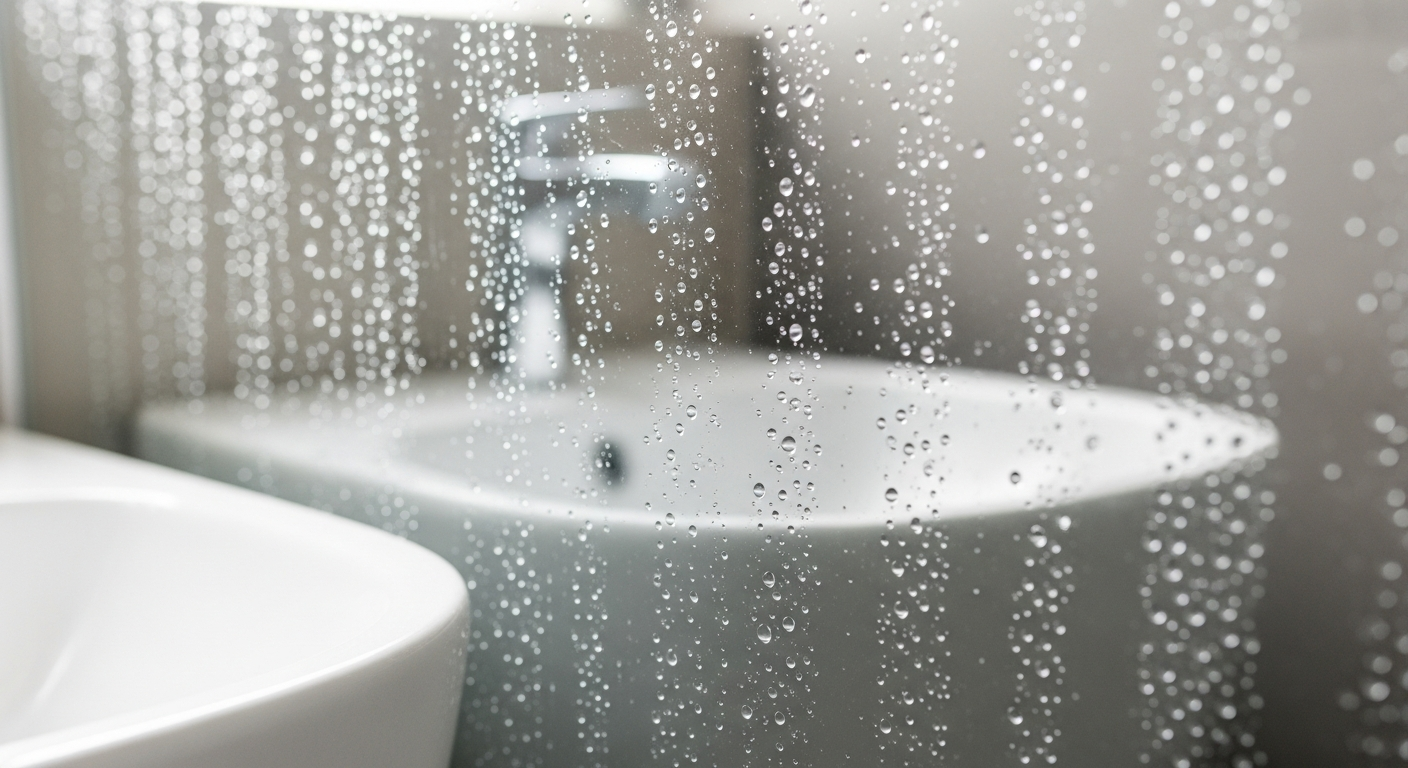
Even after cleaning, moisture remains. It sits in cracks, behind fixtures, and inside pipes. This moisture feeds the bacteria that create toilet smells.
Let’s break down the most common hidden causes.
The Most Common Reasons Your Bathroom Still Smells
1. Drain Buildup (The #1 Missed Cause)
Your drains look clean from above. But inside the pipes, it’s a different story.
Hair tangles with soap scum. Skin cells stick to the mix. Over time, this creates a thick biofilm. Bacteria thrive in this space.
The smell rises up through the drain. It doesn’t matter how clean your sink looks. The smell comes from inside the plumbing.
Signs of drain buildup:
- Musty smell near sinks
- Slow water drainage
- Gurgling sounds
2. Toilet Base and Seal Issues
This is where many people miss the mark. They clean the toilet bowl and seat. But they forget the base area.
Urine can seep under the toilet rim. It pools around the base. Over time, it soaks into the floor or subfloor.
Sometimes the wax ring fails. This creates subtle sewer smells. The odor seeps up from below.
Warning signs:
- Smell is strongest near the floor
- Bathroom odor gets worse in warm weather
- Slight dampness around toilet base
3. Damp Towels and Bath Mats
Clean-looking towels can still harbor bacteria. Here’s why:
Fabric soaks up moisture from humid air. Between uses, bacteria grow in the damp fibers. Even if towels look dry, they might not be fully dry.
Bath mats are worse. They sit on damp floors. Water gets trapped under them. Mildew grows quickly.
This creates a cycle. Damp fabrics release odors into the air. The smell spreads throughout the room.
4. Grout and Tile Holes
Grout is like a sponge. It soaks up moisture and organic matter. Over time, mold grows in tiny cracks.
The stains might not be obvious at first. But the smell builds slowly. It grows over weeks or months.
Standard cleaning doesn’t go deep enough. The bacteria stay protected inside the holes in the material.
5. Poor Air Flow
Many people run exhaust fans during showers. But they turn them off too quickly.
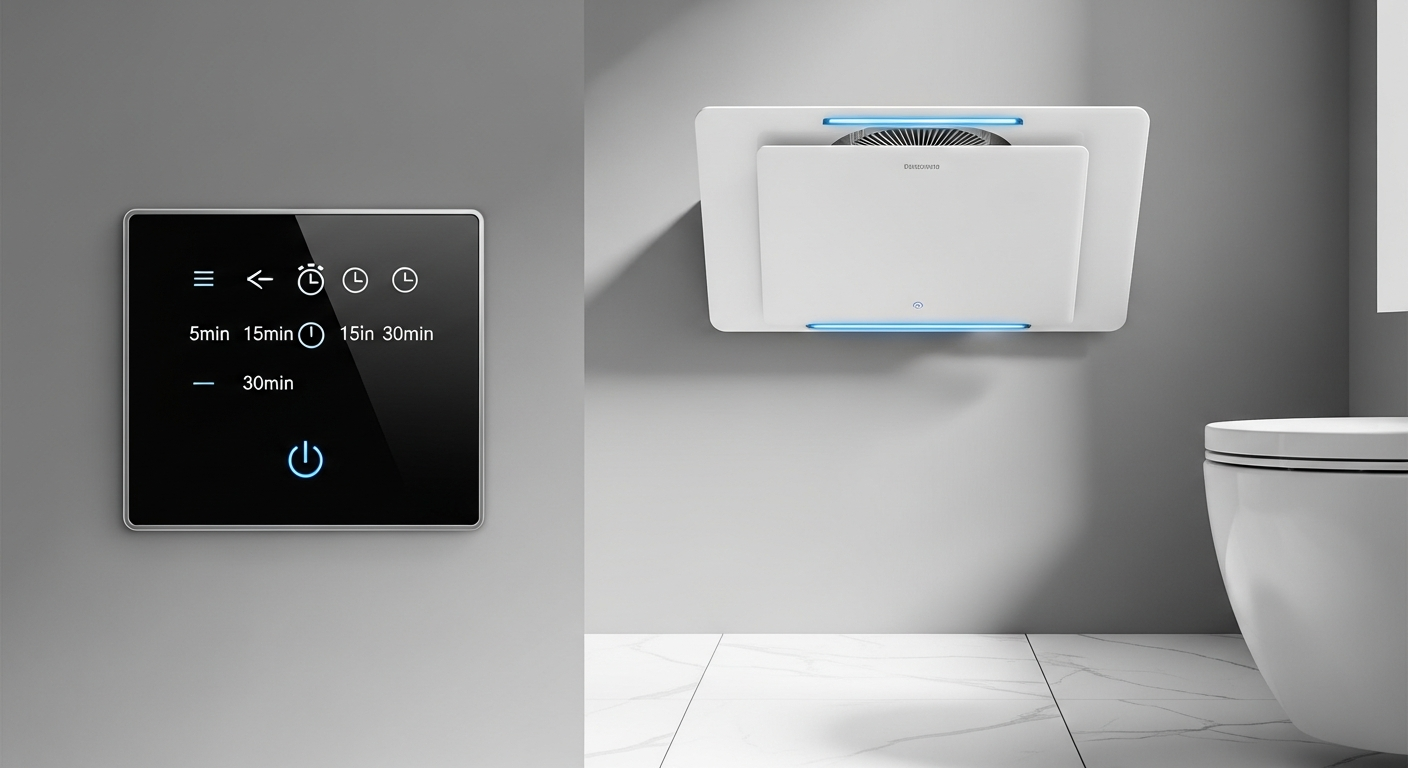
Humidity needs 20-30 minutes to clear out. If you stop the fan early, moisture stays trapped. This creates perfect conditions for bacterial growth.
Poor air flow makes everything worse. Odors have nowhere to go. They just keep moving around in the closed space.
The Hidden Zones Most Homeowners Miss
Behind the Toilet
This area collects dust, moisture, and occasional splashes. It creates a bacteria hotspot that most people never clean.
The space is hard to reach. So it gets ignored during regular cleaning. But it adds a lot to bathroom smells after cleaning.
Around Faucet Bases
Water sits at the seams where faucets meet countertops. These tiny pools dry slowly. They leave behind mineral deposits and bacterial waste.
The buildup is often invisible. But it creates a constant source of odor.
Shower Curtain Liners
Soap waste builds up on plastic liners. The smooth surface seems easy to clean. But tiny soap film remains.
This film traps moisture and bacteria. Over time, it grows a musty smell.
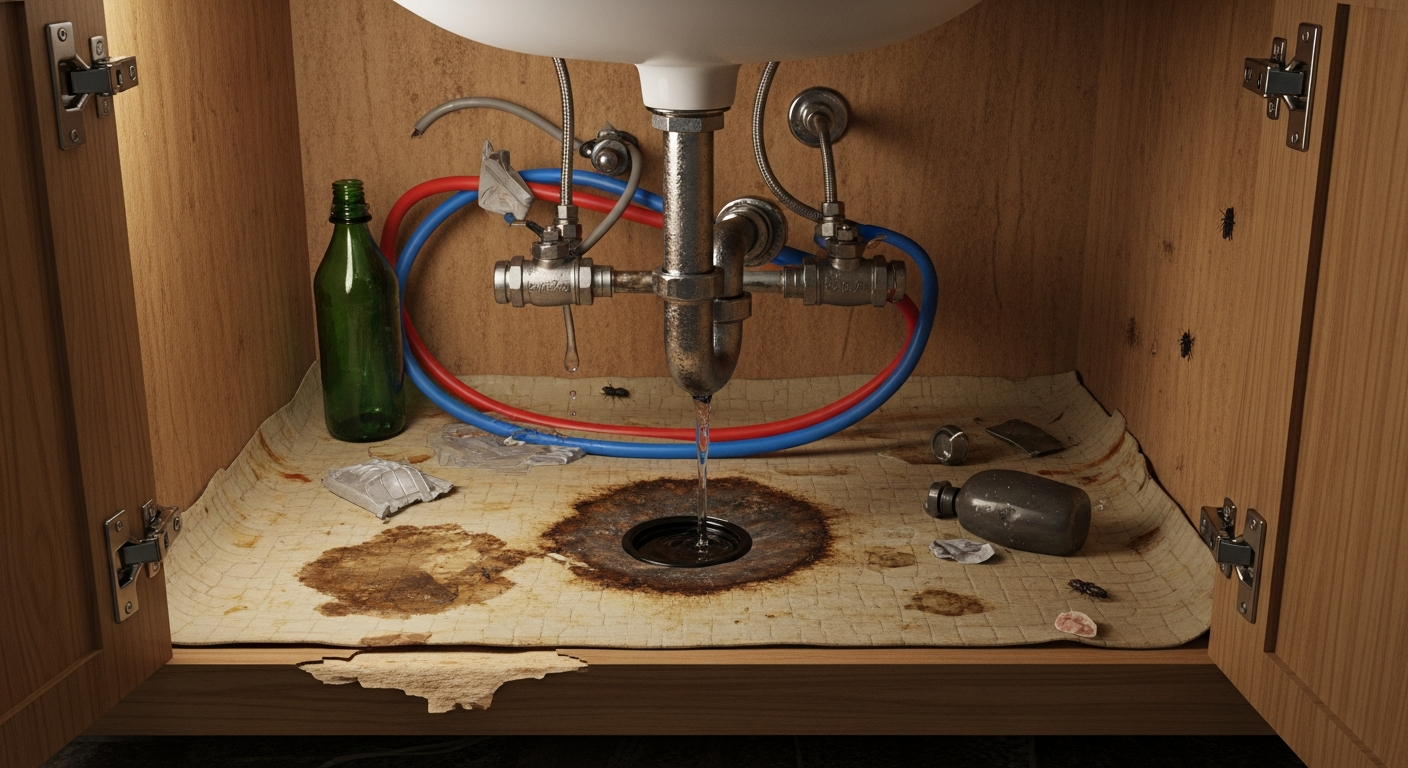
Under the Sink Cabinet
Small leaks drip slowly. Cleaning product spills sit unnoticed. Poor air flow traps moisture.
These factors combine to create hidden odor sources. The smell seeps out when you open cabinet doors.
Sometimes, the bathroom smells clean at first. Then the odor returns quickly. That’s usually a buildup issue.
Why the Smell Comes Back Quickly After Cleaning
Layered Buildup Wasn’t Fully Removed
Think of odor sources like layers of an onion. Surface cleaning only removes the outer layer.
If drain biofilm exists deeper in pipes, it grows back quickly. If grout has soaked up odors over months, one cleaning won’t fix it. If toilet base waste remains hidden, new moisture brings back the smell.
This is why some bathrooms smell fresh for a few hours. Then the cleaner smell fades and old odors return.
Air Fresheners Hide Instead of Fix
Spraying air freshener seems like a quick solution. But it often makes things worse.
The fake scent mixes with existing odors. This creates a heavier, more complex smell. Some people describe it as “fake clean” or “chemical floral.”
Air fresheners don’t remove bacteria. They just cover up the problem for a short time.
You’re Cleaning, But Not Killing Germs
There’s a big difference between wiping down and proper germ killing.
Wiping down: Removes visible dirt and some surface bacteria Killing germs: Kills bacteria and breaks down organic buildup
Many germ killers need 5-10 minutes of contact time. Most people spray and wipe right away. This doesn’t give the product time to work properly.
When Deep Odor Is Already Set In
If buildup has grown in grout lines, behind fixtures, or inside missed zones, regular wipe-downs may not fully solve the issue.
The bacteria have had time to establish themselves. They’ve created protective biofilms. Standard cleaning products can’t get through these barriers.
In these cases, a professional deep cleaning service can reset the space by targeting heavy buildup areas most homeowners don’t regularly reach. This is especially useful before guests, seasonal changes, or move-ins.
How to Actually Get Rid of Bathroom Odor (Step-by-Step)
Step 1 – Treat the Drains
Weekly care routine:
- Pour a pot of boiling water down each drain
- Add 1/2 cup baking soda
- Pour 1 cup white vinegar on top
- Cover drain for 15 minutes
- Flush with hot water
For severe buildup, use an enzyme drain cleaner. These products break down organic matter naturally. They’re safer than harsh chemicals.
Pro tip: Do this every Sunday night. It stops buildup before it starts.
Step 2 – Deep Clean Around the Toilet
Monthly deep clean:
- Remove all items from around the toilet base
- Clean the underside rim with a toilet brush
- Kill germs on the entire base area
- Check for soft spots in flooring (sign of water damage)
- Let germ killer sit for 10 minutes before wiping
If the smell stays after thorough cleaning, you might have a wax ring issue. This needs professional plumbing help.
Step 3 – Handle Fabric Items
Fabric care schedule:
- Bath mats: Wash weekly in hot water
- Towels: Make sure they dry completely between uses
- Shower curtain liner: Replace every 3-6 months if mold-stained
Hang towels spread out, not bunched up. This allows air flow. It stops bacteria growth in damp folds.
Step 4 – Scrub Grout Properly
Good grout cleaning:
- Use a grout brush, not a sponge
- Apply grout cleaner and let it sit 10 minutes
- Scrub in circular motions
- Rinse well with clean water
- Dry completely with a clean towel
Don’t skip the drying step. Wet grout soaks up bacteria quickly.
Step 5 – Improve Air Flow
Better air movement:
- Run exhaust fan for 20-30 minutes after showers
- Crack the bathroom door open when possible
- Clean exhaust fan cover monthly
- Consider a fan timer switch for consistency
Good air flow stops moisture buildup. This stops bacteria growth before it starts.
If keeping up with detailed bathroom cleaning becomes time-consuming, a recurring bathroom cleaning service can help stop odor buildup before it returns.
Signs the Smell May Be a Plumbing Issue
Sometimes bathroom odors show bigger problems. Don’t panic, but pay attention to these warning signs:
Call a professional plumber if you notice:
- Sewage smell: Strong, lasting sewer gas odor
- Bubbling drains: Air bubbles when water drains
- Slow drainage everywhere: Multiple fixtures drain slowly
- Gurgling sounds: Strange noises from pipes
These symptoms suggest problems with:
- Main sewer line blockages
- Vent pipe issues
- P-trap failures
- Septic system problems
Important difference:
- Surface bacterial odor = cleaning issue
- Sewer gas smell = plumbing issue
Surface odors smell musty or stale. Sewer gas smells like rotten eggs or sewage. If you smell sewer gas, call a plumber right away.
This builds your confidence to handle normal odors. It also protects you from ignoring serious plumbing problems.
How to Keep Your Bathroom Smelling Fresh Long-Term
Daily (2-3 Minutes)
Quick care tasks:
- Wipe sink basin after use
- Hang towels properly with space between folds
- Run exhaust fan during and after showers
- Squeegee shower walls to remove excess water
These small habits stop moisture buildup. They stop bacteria growth before it starts.
Weekly
Deeper care:
- Treat drains with baking soda and vinegar
- Kill germs on toilet base and rim area
- Wash bath mats in hot water
- Wipe down often touched surfaces
Weekly tasks catch problems early. They stop the buildup that causes lasting odors.
Monthly
Thorough care:
- Scrub grout lines properly
- Check under-sink cabinet for leaks or spills
- Clean exhaust fan vent cover
- Replace air fresheners or odor absorbers
Monthly tasks handle deeper issues. They maintain the improvements from your initial deep cleaning.
Care schedule table:
| How Often | Task | Time Needed |
|---|---|---|
| Daily | Wipe surfaces, proper air flow | 2-3 minutes |
| Weekly | Drain treatment, mat washing | 15-20 minutes |
| Monthly | Grout scrubbing, deep germ killing | 45-60 minutes |
This structure creates confidence. You know exactly what to do and when to do it.
Conclusion
Why does my bathroom smell even after cleaning? Now you know the real reasons:
- Hidden drain buildup feeding bacteria
- Moisture staying in missed areas
- Grout soaking up organic matter
- Toilet seal issues allowing odor seepage
- Poor air flow trapping humid air
This is very common. It’s not a hygiene failure on your part. Most people clean what they can see. But bathroom smells after cleaning usually come from hidden sources.
The solution is simple once you know where to look. Target moisture and buildup, not just surfaces. Handle the root causes, not just the symptoms.
When you follow the step-by-step approach, the smell finally goes away for good. Your bathroom will look clean AND smell fresh.
Remember: consistency beats intensity. Small daily habits stop big odor problems. A few minutes of proper care saves hours of deep cleaning later.
Your bathroom can smell as clean as it looks. Now you know exactly how to make that happen.


