
You love your pets, but you don’t want your home to smell like them.
That’s the tension most pet owners live with. You walk through your front door after work and wonder if there’s a smell you’ve stopped noticing. Then a friend visits, and you catch yourself asking if they can smell what you can’t anymore.
Here’s the truth: pet odor isn’t just about being clean. It’s about moisture control, fabric care, air flow, and daily habits. You can vacuum every day and still have a home that smells off if you’re not fixing the real sources.
This guide will walk you through:
- The true causes of pet odor
- Easy ways to prevent it
- Cleaning habits that work
- When you need deeper help
Pet odors are easy to predict once you know where they come from. And once you know that, you can stop them before they settle in.
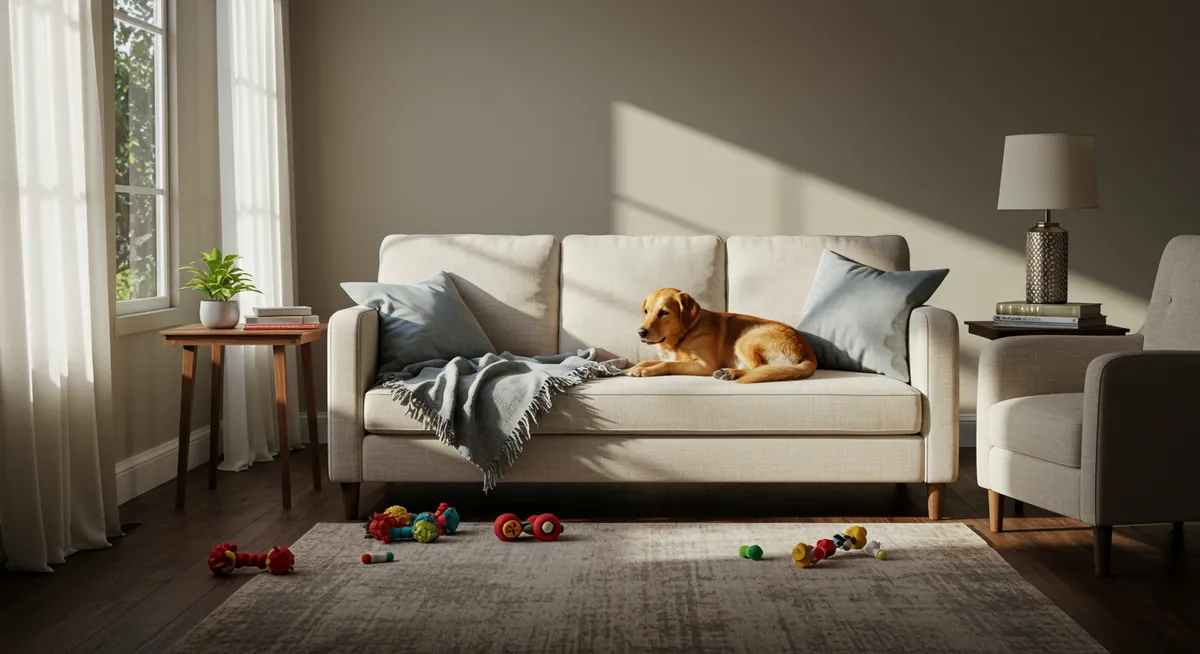
Pet Skin Oils and Dander
Dogs and cats make oils naturally. That’s just biology. These oils transfer onto everything they touch:
- Furniture
- Rugs
- Bedding
- Curtains
Dander settles into soft surfaces and traps odor. It’s not visible, but it’s there. And it builds up faster than you think.
Saliva and Moisture
When your dog licks its paws or your cat grooms itself, saliva spreads bacteria. Damp fur after a walk can create a musty smell if it’s not dried right. Even a quick trip outside in light rain can leave moisture behind.
That moisture sits in fabric. And bacteria love moisture.
Accidents and Hidden Residue
Even well-trained pets can have small accidents. Sometimes it’s a tiny spot you don’t notice right away. Sometimes it’s micro-residue on floors or carpet that doesn’t look like anything at all.
If it’s not cleaned properly, bacteria grow. And odors return—even after you clean.
Masking the smell does not fix the source.
Control Soft Surfaces First
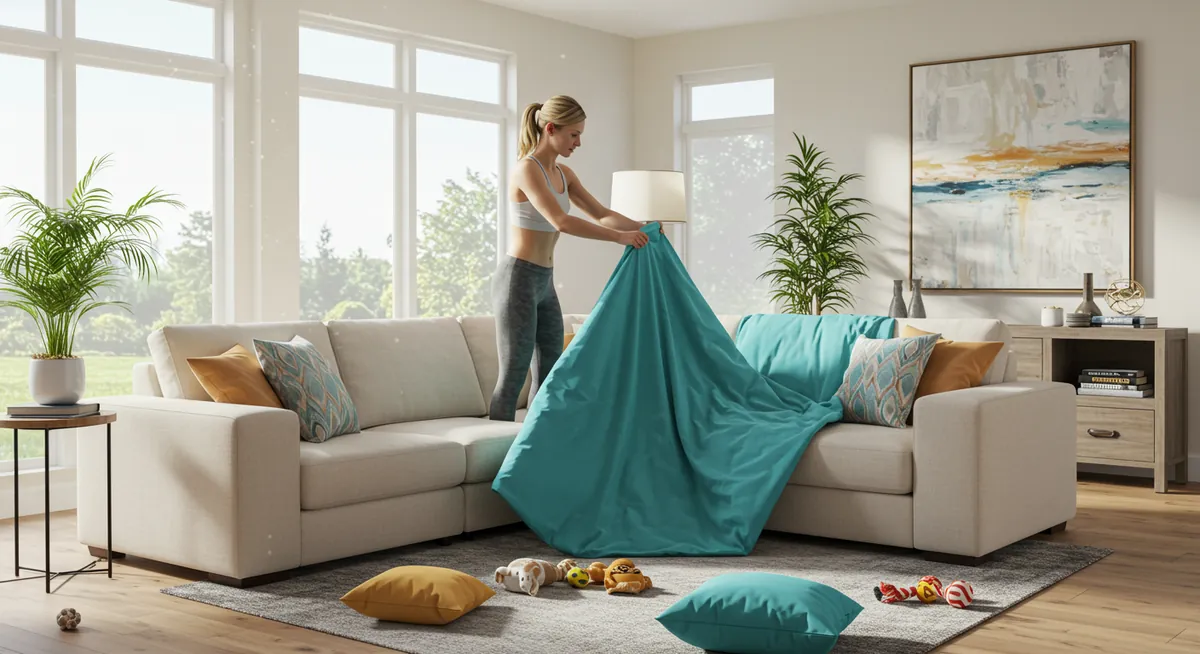
Soft materials hold most of the odor. If you want to keep your home smelling fresh, this is where you start.
Washable Covers Are Key
Slipcovered sofas, washable pet bed covers, and machine-washable throw blankets make a huge difference. Odor lives in fabric fibers. Washing often resets the space.
If your couch doesn’t have a cover you can remove, add washable throws to the areas your pet uses most.
Choose Smart Fabrics
Tightly woven fabrics, moisture-resistant materials, and stain-resistant finishes prevent oils from soaking in deep. They’re easier to wipe down and harder for odor to stick to.
When you’re replacing furniture or choosing new pieces, think about how they’ll hold up to daily pet contact.
Rotate and Air Out Cushions
Stand cushions upright weekly. Let air reach the underside. This cuts down on trapped moisture and gives fabric a chance to breathe.
Small care prevents buildup. And buildup is what creates that lasting smell.
Floors Are the Second Biggest Odor Source
Pet Hair Holds Odor
Hair carries dander, skin oil, and outdoor dirt. Regular sweeping helps, but it’s not enough if residue stays stuck in carpet or rug fibers.
You need suction. You need regular removal.
Hard Floors Still Absorb Odor
Even sealed hardwood can trap urine in seams or moisture along baseboards. Tile grout holds onto bacteria. Laminate edges can soak up liquid if it sits too long.
Mopping removes surface dirt. But if odor stays, residue may be deeper than you think.
Deep Cleaning vs Surface Cleaning
If odor lingers despite mopping or vacuuming, residue may be stuck in:
- Carpet padding
- Grout lines
- Under heavy furniture
A regular deep cleaning service can remove built-up pet dander and residue that routine cleaning may not fully get rid of. Think of it as a reset, not something you need all the time.
Manage Pet Bedding and Sleeping Areas Smartly
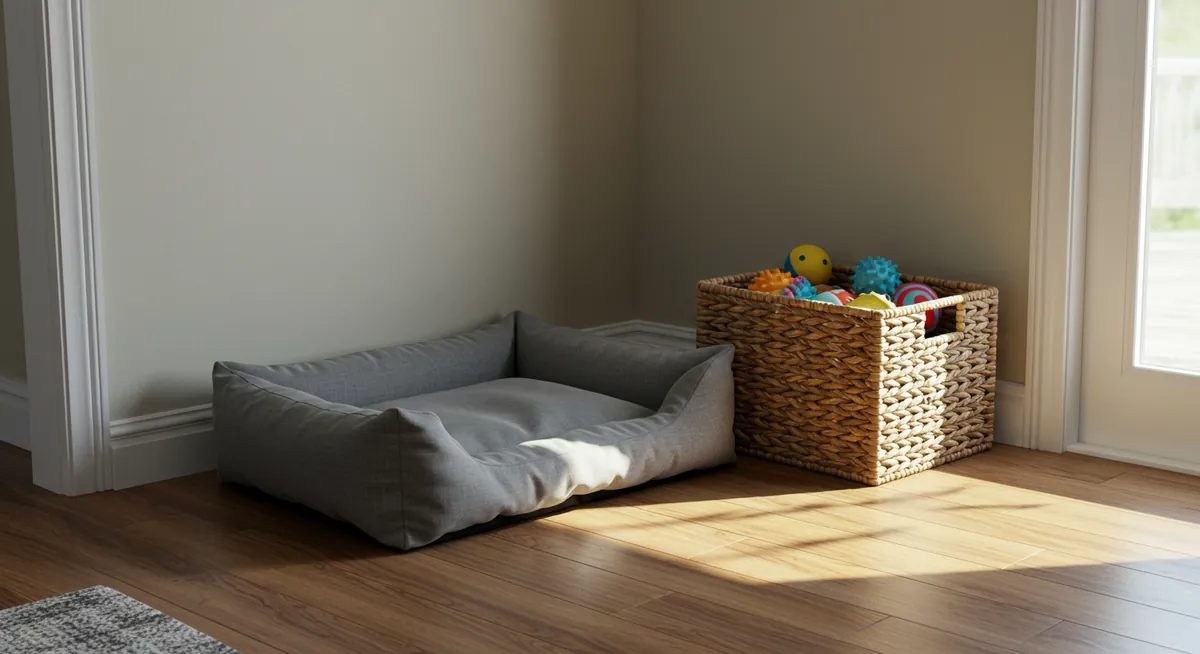
Wash Beds Weekly
Pet beds soak up oil, saliva, and dirt from paws. Doing it often matters more than doing it hard. A quick weekly wash prevents buildup better than a monthly deep clean.
If your pet’s bed isn’t machine-washable, it’s worth replacing.
Keep Beds Away from Air Vents
Air vents can spread odor through the home. If your pet’s bed sits near a return vent, you’re pulling that scent into your air system and pushing it back out into every room.
Move the bed a few feet away. That simple shift makes a difference.
Create Set Pet Zones
When pets rotate sleeping spots daily, odor spreads wider. More fabric areas soak up scent. More surfaces need cleaning.
Staying consistent limits spread. Your dog doesn’t need to sleep in five different spots. One or two set areas make odor control easier.
Improve Airflow and Odor Control
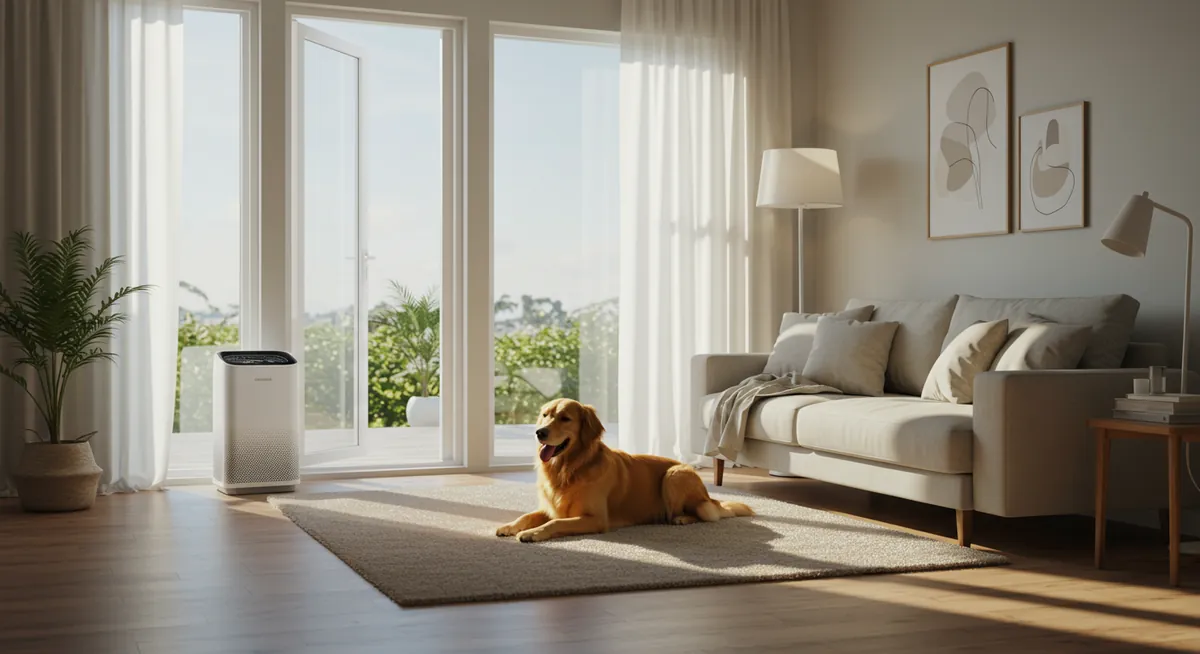
Use HEPA Air Purifiers
They capture dander, tiny particles, and dust-bound odors. Place one in the room where your pet spends the most time.
Air purifiers don’t get rid of odor at the source, but they cut down on what’s floating around.
Replace Air Filters Often
Pet homes need more filter changes than non-pet homes. Dander clogs filters faster. A dirty filter cuts down on airflow and sends particles back out.
Check your filter monthly. Replace it when it looks gray or clogged.
Avoid Too Much Fake Fragrance
Strong sprays mix with pet odors and create heavier scent layers. You end up with “floral dog smell” instead of fresh air.
Getting rid of odor works better than covering it up. If you want to use a spray, choose enzyme-based odor removers instead of perfumed air fresheners.
Address Litter Box and Bathroom Areas Carefully
Clean Litter Box Daily
Odor builds up quickly in closed spaces. One day of buildup creates a stronger smell than you’d expect.
Daily scooping keeps ammonia from getting worse.
Use Good Mats
Trapped litter bits collect bacteria and moisture. Mats catch stray litter before it spreads, but they also need to be cleaned often.
Shake them out outside. Vacuum them weekly.
Air Flow Is Critical
If litter is in a bathroom or laundry room, run exhaust fans. Get air moving. Odor buildup in small spaces spreads faster than in open areas.
If bathrooms or utility areas keep smelling despite daily care, regular detailed cleaning may help get rid of residue in grout and tight corners. A bathroom cleaning service can reach the areas that daily care misses.
Control Outdoor Dirt Before It Spreads
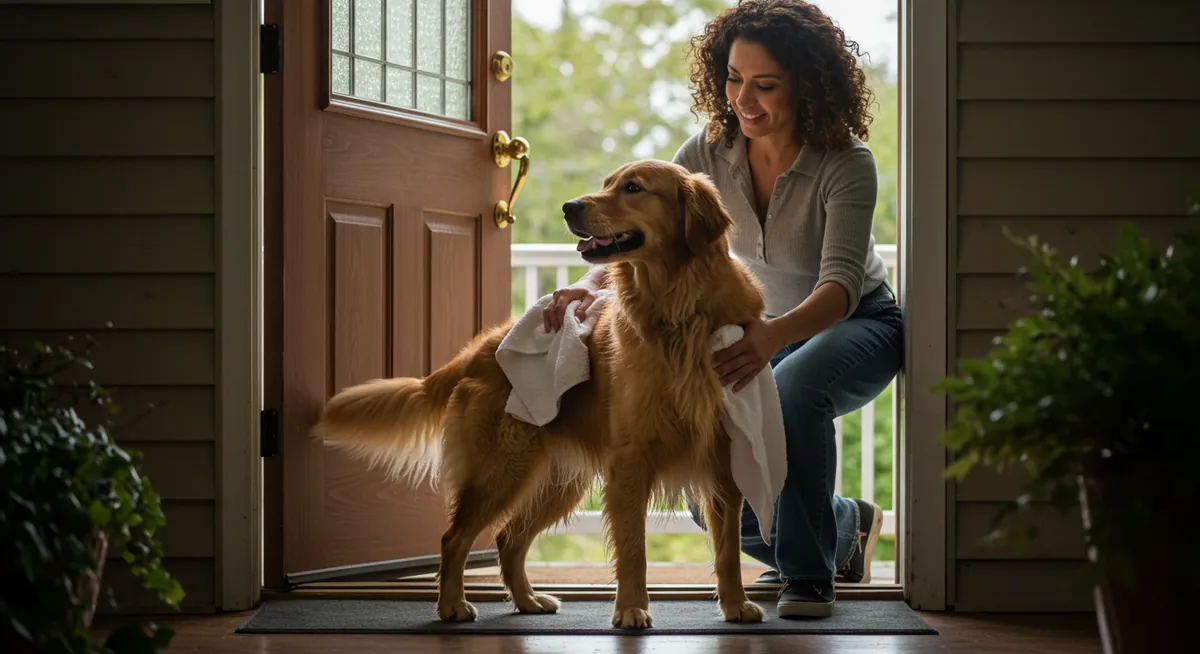
Wipe Paws Right Away
Outdoor bacteria and moisture speed up odor indoors. A quick wipe at the door prevents dirt from spreading through the house.
Keep a towel near the door. Make it part of the routine.
Keep Entry Mats Clean
Dirty mats hold mud, moisture, and organic debris. They become odor sources themselves if they’re not washed often.
Shake them out weekly. Wash them monthly.
Groom Pets Often
Regular brushing cuts down on loose hair, oil spread, and dander buildup. You’ll notice less hair on furniture and floors. You’ll also notice less smell.
Prevention lowers cleaning work a lot. A few minutes of brushing saves an hour of vacuuming.
Create a Simple Weekly Odor-Control Routine
Structure builds consistency. You don’t need to deep clean daily. You just need a system.
Daily:
- Scoop litter
- Quick floor sweep
- Air out rooms
Weekly:
- Wash pet bedding
- Vacuum furniture
- Mop hard floors
Monthly:
- Deep clean under pet beds
- Clean baseboards
- Wash walls near favorite pet resting spots
Routine prevents odor layering. When you stay ahead of buildup, you avoid the huge cleaning sessions that make pet ownership feel tiring.
Final Thoughts
Keeping a house smelling fresh with pets is not about constant scrubbing. It’s about managing moisture, fabric, airflow, and daily care.
Soft surfaces soaking up oils. Hair piling up. Poor air flow. Not washing often enough. These are the root causes.
When you fix them with a system, you stop fighting odor and start preventing it. With smart habits and the right material choices, you can enjoy your pets and keep a home that smells clean and welcoming at the same time.
Your home doesn’t have to smell like a kennel. It just needs the right approach.


